
Technology
Qualcomm slumps as weak smartphone chip sales overshadow data-center momentum
By Erik Svenson
Advertisement · Why this ad?
Maya Patel has spent the last six years covering the arts scene in Fargo after earning her degree in Arts Management from North Dakota State University. She has a strong background with local art galleries and theaters, bringing a vibrant perspective to her reporting.
More from Maya →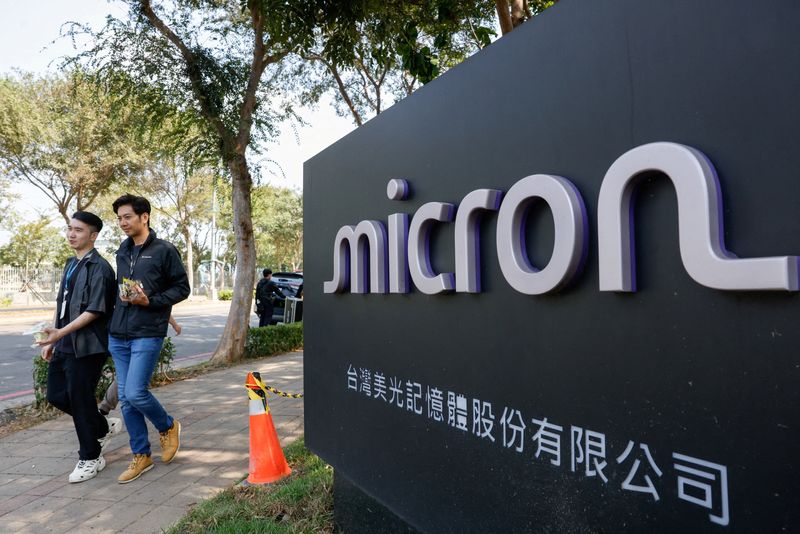
On a crisp November morning in Fargo, the hum of anticipation surrounding the semiconductor industry was palpable. Local tech enthusiasts gathered at a community center, sipping coffee and exchanging ideas about the future of technology, when news broke that sent ripples through the industry: Micron Technology had paused its ambitious plans for a $4.5 billion memory chip plant in Taiwan. This decision, attributed to an ongoing labor dispute, has left many questioning the future of semiconductor manufacturing not just in Taiwan, but globally.
On November 5, 2023, Reuters reported that Micron Technology, a key player in the semiconductor industry, has suspended its plans for the major facility in Taiwan. This development comes as a surprise to many, as the plant was expected to significantly bolster the region's chip manufacturing capabilities. According to sources cited by Bloomberg News, the pause is due to an extended labor dispute, a critical issue that has the potential to reshape the landscape of tech production in Asia.
The $4.5 billion investment was not just a financial commitment; it represented Micron's strategic move to enhance its production capabilities in a region that is pivotal to the global supply chain. With the semiconductor industry facing unprecedented demand, this decision raises concerns about the future availability of memory chips, which are essential for everything from smartphones to advanced computing systems.
As the news circulated, industry analysts began to speculate about the implications for Micron and the semiconductor market at large. The company has not issued an official statement regarding the labor dispute or the suspension of the plant, leaving many in the tech community eager for clarity.
In Fargo, where innovation and technology are at the forefront of local economic development, the news has sparked a range of reactions. Local business leaders expressed concern over the potential ripple effects this pause could have on the tech industry in the region. "We were hopeful that Micron's investment would lead to increased opportunities not only in Taiwan but also here in Fargo, where we have a growing tech sector," said Sarah Thompson, director of the Fargo-Moorhead Chamber of Commerce.
The labor dispute at the heart of this suspension has raised eyebrows among industry insiders. Labor relations in the tech sector can often be contentious, and the outcome of this dispute could set a precedent for how companies operate in competitive markets. Some local tech workers voiced their hopes that the situation would resolve quickly, emphasizing the importance of stable labor relations for the health of the industry.
As discussions unfolded in community forums, it became clear that the implications of Micron's decision extend beyond the immediate financial stakes. Semiconductor manufacturing is integral to modern technology, influencing everything from consumer electronics to automotive advancements. The ongoing global chip shortage has highlighted the vulnerabilities in the supply chain, making Micron's investment in Taiwan crucial for future stability.
Fargo's tech community is particularly invested in the outcome of this situation, as many local companies rely on a steady supply of chips for their products. The pause in Micron's plans has raised questions about whether the region can remain competitive in an increasingly globalized market. Local startups and established firms alike are anxious about potential delays in product development and the broader economic implications.
Moreover, the semiconductor industry is a significant driver of job creation in Fargo and surrounding areas. The presence of a major player like Micron would have not only provided direct employment opportunities but also stimulated growth in ancillary industries, such as logistics, manufacturing, and research and development. With Micron's plans on hold, local educational institutions are also feeling the impact, as partnerships aimed at training the next generation of engineers and technicians may be jeopardized.
Looking ahead, the future of Micron's Taiwan plant hangs in the balance. Industry experts suggest that the resolution of the labor dispute will be pivotal in determining whether the project can move forward. In the meantime, Micron's competitors may seize this opportunity to strengthen their own positions in the market, potentially reshaping the competitive landscape.
For Fargo, the pause serves as a reminder of the interconnectedness of the global economy. Local leaders are already strategizing ways to bolster the tech sector, ensuring that Fargo remains an attractive destination for innovation and investment. Initiatives aimed at fostering partnerships between local businesses and educational institutions are gaining momentum, with hopes of nurturing a skilled workforce that can adapt to the evolving demands of the tech industry.
As Micron navigates this challenging period, the community remains hopeful that the company's commitment to growth will ultimately prevail. With a shared vision of a thriving tech ecosystem, Fargo's residents are determined to support one another and cultivate a future where innovation can flourish.
The suspension of Micron's plant in Taiwan also raises broader questions about the future of semiconductor manufacturing in Asia. Taiwan has long been a leader in chip production, with companies like TSMC (Taiwan Semiconductor Manufacturing Company) dominating the market. However, geopolitical tensions and labor issues could prompt companies to consider diversifying their manufacturing locations. This could lead to increased investments in other regions, such as the United States or Southeast Asia, where labor relations may be more stable.
Furthermore, the current situation underscores the importance of building resilient supply chains. Recent events, including the COVID-19 pandemic and ongoing trade disputes, have highlighted vulnerabilities in global supply chains. Companies may need to rethink their strategies, placing greater emphasis on local production and alternative sourcing to mitigate risks associated with labor disputes and geopolitical instability.
As the semiconductor industry continues to evolve, stakeholders in Fargo and beyond are watching closely. The outcome of Micron's labor dispute could serve as a bellwether for the industry, influencing how companies approach labor relations and investment in manufacturing facilities. The tech community in Fargo is poised to adapt, ready to pivot and innovate in response to these challenges, ensuring that they remain at the forefront of this critical industry.
By Erik Svenson

By Clara Jensen

By Marcus Nguyen

By Lance Thompson