Technology
Inside Noridian Healthcare Solutions at 60
By Jessica Rourke
Advertisement · Why this ad?
Clara Jensen has over 15 years of experience in local journalism, previously working as the editor for the Grand Forks Herald. She graduated from the University of North Dakota with a degree in Journalism and Mass Communication. Known for her deep understanding of community dynamics, she has a knack for uncovering stories that resonate with residents.
More from Clara →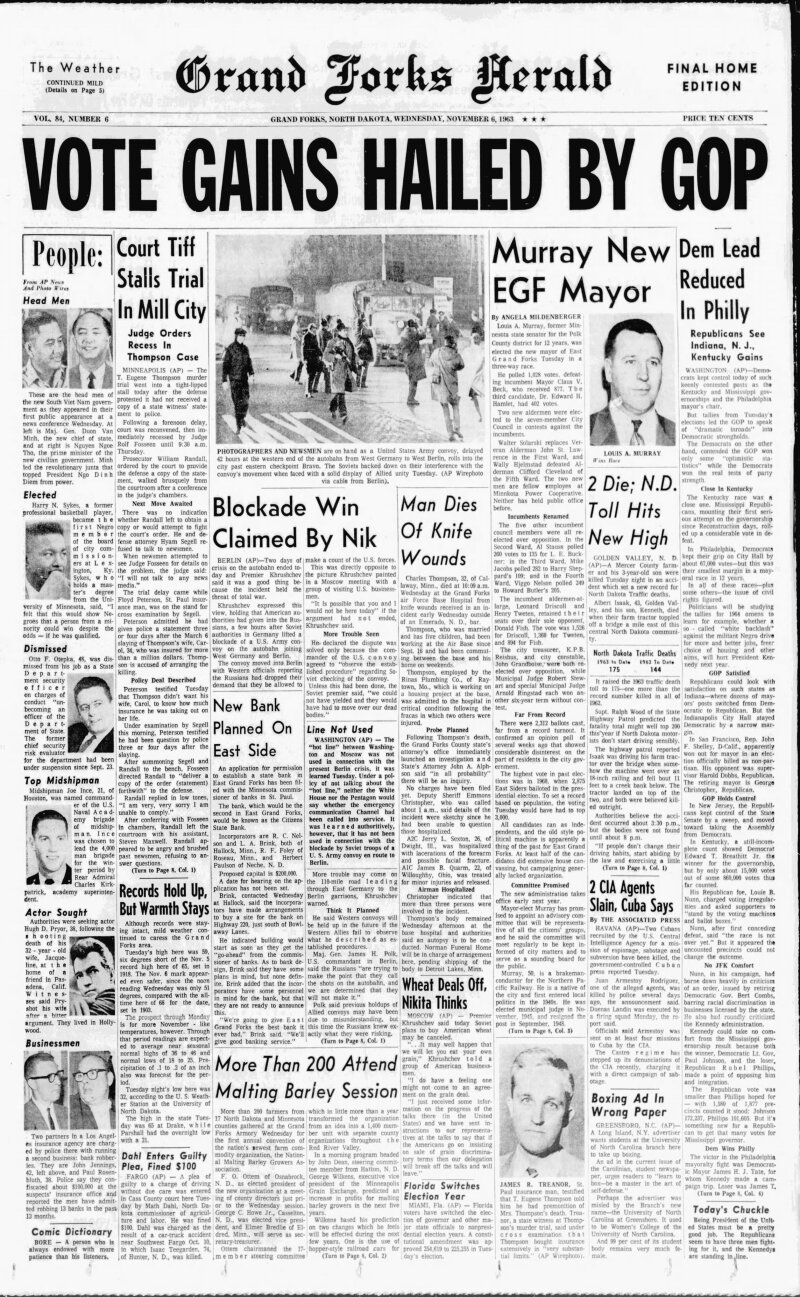
The aroma of freshly harvested barley, a cornerstone of brewing and a vital crop for the Red River Valley, filled the Grand Forks Armory on November 6, 1963. More than 200 farmers from 17 counties in North Dakota and Minnesota gathered for the inaugural convention of the National Malting Barley Growers Association, a testament to the burgeoning agricultural industry and a symbol of farmers uniting to secure their livelihoods. It’s a moment that speaks to the enduring spirit of hard work and collaboration that defines our region, and a reminder of how even seemingly small gatherings can ripple outward with significant impact.
The first annual convention of the National Malting Barley Growers Association marked a significant step for North Dakota and Minnesota farmers, establishing a national organization dedicated to advocating for their interests. Farmers from across the Red River Valley convened at the Grand Forks Armory, a space buzzing with the energy of a new beginning for this farm commodity organization. F. O. Ottem of Osnabrock, North Dakota, was elected president, with George C. Howe Jr. of Casselton as vice president and Elmer Bredlie of Eldred, Minnesota, serving as secretary-treasurer. This leadership team spearheaded the transformation of an idea into a 1,400-member organization, demonstrating the power of collective effort in a vital agricultural sector.
The formation of the National Malting Barley Growers Association arose from a desire among farmers to have a stronger voice in the marketplace and to ensure fair practices. The organization's rapid growth, from a nascent concept to a network of county organizations across the Red River Valley in just over a year, underscores the deep need for such representation. This wasn’t just about barley; it was about farmers taking control of their economic destiny and building a sustainable future for their families and communities.
During the morning session, George Wilkens, the executive vice president of the Minneapolis Grain Exchange, offered a promising forecast for the future of malting barley growers. He predicted increased profits over the next five years, largely due to the adoption of hopper-style railroad cars, which could haul nearly twice the capacity of traditional boxcars and significantly reduce unloading time. Furthermore, he highlighted the impending widespread use of automatic sampling devices, which would establish standardized sampling practices acceptable to both growers and buyers. The Minneapolis Grain Exchange remains a vital hub for agricultural commodities, reflecting the continued importance of this sector to our regional economy.
The convention wasn’t just about business; it was also a celebration of the hard work and dedication of the region’s farmers. Billy Martin, a former New York Yankees baseball star and sales promotion agent for the Minneapolis Brewing Company, expressed gratitude on behalf of the beer industry for the growers' efforts in improving barley quality. His entertaining anecdotes brought a touch of levity to the proceedings, fostering a sense of camaraderie and shared purpose. The connection between agriculture and brewing is deeply rooted in this region, and Martin’s presence underscored that vital link.
Lloyd V. Hillier, the city council president of Grand Forks, extended a warm welcome to the attendees, and F. O. Ottem responded on behalf of the new organization. This exchange highlighted the strong partnership between the city and the agricultural community, a relationship essential for the continued prosperity of Grand Forks. The city’s support underscored the importance of agriculture to the local economy and its role in shaping the identity of Grand Forks.
Lars Jensen, a North Dakota State extension agronomist, presented information on “What About Trophy and Larker Barley Now,” varieties developed by NDS that had already contributed $10,000 to farm income in the barley-producing areas. He noted that approximately 60% of the North Dakota barley acreage in 1963 was planted with these improved varieties, demonstrating the impact of agricultural innovation on farm profitability. North Dakota State University continues to be a leader in agricultural research and extension, supporting the success of farmers across the state.
Robert W. Dibble, manager of the sales operations research department of International Harvester Company, delivered the banquet address, titled “The Challenge of Change.” He astounded the audience by stating that more progress had been made in agriculture in the previous 50 years than in the preceding 1,500 years. Dibble’s vision extended to the next 25 years, predicting even greater advancements and even suggesting the possibility of “farming” ocean areas in the future. His perspective emphasized the need for increased agricultural productivity to meet the demands of a growing global population.
Dibble’s comments about the need for a 5% surplus of farm products rather than a deficit resonate even today. The ongoing challenges of food security and global demand highlight the importance of innovation and efficiency in agriculture. He also pointed out that, given population growth, current productivity might not even provide breakfast for everyone in the future. International Harvester, though significantly changed over the years, played a key role in agricultural advancements.
The 1963 convention of the National Malting Barley Growers Association wasn’t just a meeting; it was a declaration of independence and a testament to the enduring values of hard work, perseverance, and community. Seeing farmers come together to advocate for their interests, especially during a time of significant change in agricultural practices, is profoundly inspiring. The focus on innovation – the improved barley varieties, the adoption of new shipping methods, the standardization of sampling – underscores the importance of embracing progress while honoring tradition.
It’s easy to get caught up in the anxieties of our modern world – the economic uncertainties, the changing climate, the challenges facing families. But witnessing this historical moment reminds us that generations before us faced their own trials and tribulations, and they met them with courage and a deep commitment to their communities. The success of the National Malting Barley Growers Association, and the continued vitality of our agricultural sector, is a direct result of that resilience. The strength of our region lies in the families who work the land, and in the communities that support them.
As we look ahead, it’s crucial to remember the lessons of this gathering. We need to support our local farmers, invest in agricultural research, and foster a spirit of collaboration that transcends individual interests. The future of our region depends on it. Perhaps more importantly, the stories of these farmers and their dedication to their families and communities serve as a powerful reminder of the importance of strong marriages and stable homes—the bedrock of any thriving society.
The National Malting Barley Growers Association continues to advocate for barley growers today, working to ensure the sustainability and profitability of the industry. For those interested in learning more about the organization and its work, information can be found through agricultural organizations and state departments of agriculture. The North Dakota Department of Agriculture and the Minnesota Department of Agriculture provide valuable resources and support for farmers in the region.
The legacy of the 1963 convention lives on in the continued success of the malting barley industry and the strong agricultural community that defines our region. It serves as a reminder that even small gatherings, fueled by a shared vision and a commitment to hard work, can have a lasting impact on the future. The spirit of collaboration and innovation that characterized that day remains essential for ensuring the prosperity of our communities for generations to come. And it’s a story worth remembering, especially as we face the challenges and opportunities that lie ahead.
The event underscored the importance of agricultural innovation and the power of collective action in building a thriving community. It serves as a reminder of the enduring values of hard work, perseverance, and collaboration that continue to shape our region today.
Resources: City of Grand Forks, Grand Forks Chamber of Commerce Image Credits: Grand Forks Herald Archives Tags: Today in History, Agriculture, Grand Forks, North Dakota, Minnesota, Barley External Links: Minneapolis Grain Exchange, North Dakota State University, International Harvester Meta Description: Relive a pivotal moment in Grand Forks history: the 1963 convention of the National Malting Barley Growers Association and its impact on the region's agricultural landscape. Image Alt Text: Farmers gather at the first annual convention of the National Malting Barley Growers Association in Grand Forks, 1963. Image Search Terms: Grand Forks agriculture, barley farmers, North Dakota history, Minnesota farming